
SEO content strategy expert
I plan content around real search demand and build the systems to publish it at scale. At Formplus, monthly organic traffic grew from 20K to 1M in two years.





What I do
SEO content strategy
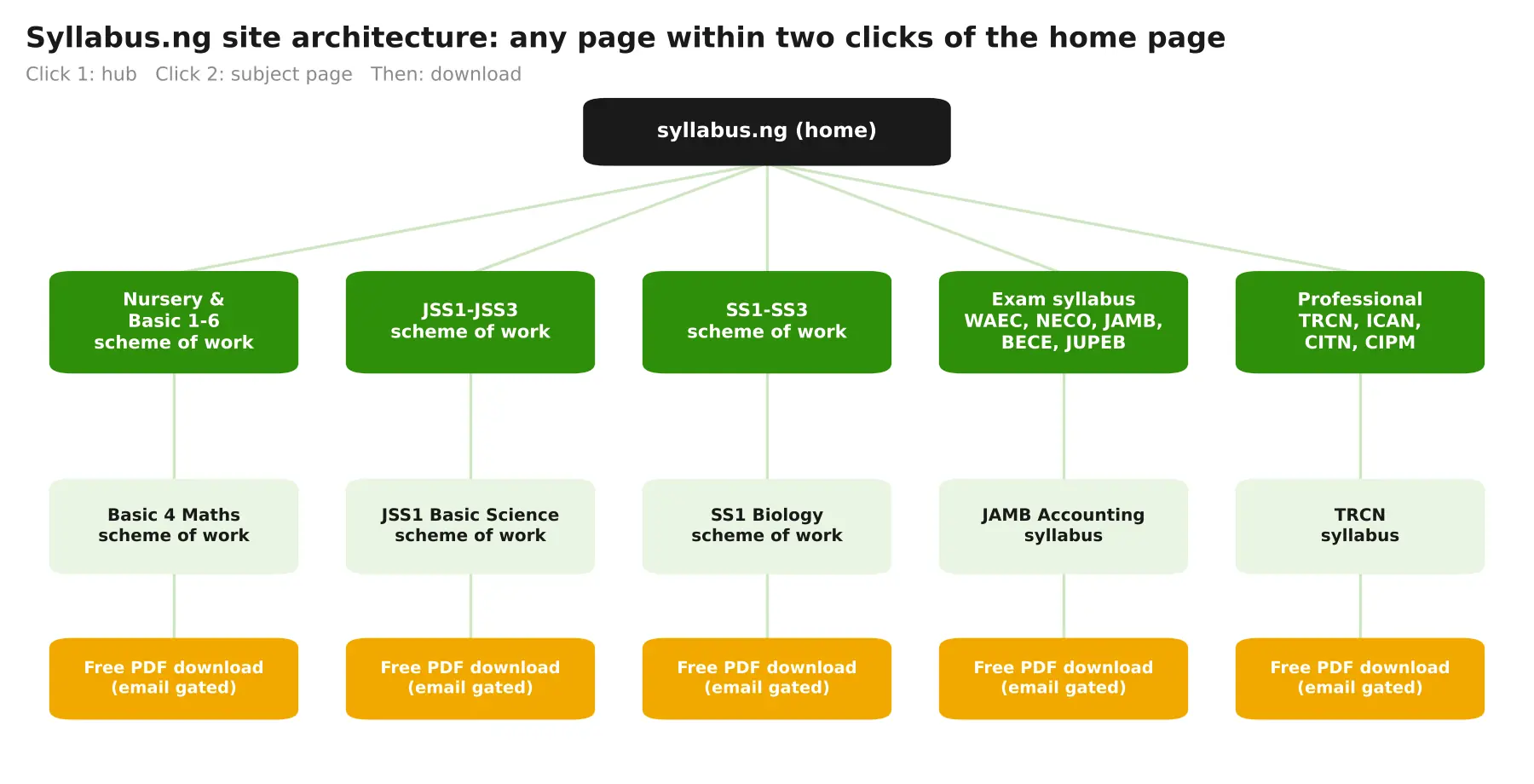
I build content plans from search demand, business goals and what competitors miss. Each plan shows which topics to own and why, in priority order.
Content architecture & taxonomy
I design categories, tags, hubs and URL paths that make content easy to find for users and crawlers. Structure is agreed before writing starts.
Topic clusters & keyword mapping
I plan pillar pages and supporting articles, with one primary keyword per URL. The map prevents cannibalization and guides internal links.
Search intent & content planning
I choose formats and angles that match what searchers want at each stage: guides, comparisons, calculators, how-tos or FAQs.
Editorial strategy & content briefs
I run editorial calendars and write briefs detailed enough that any writer can deliver on target: keyword, intent, outline, sources, links and compliance notes.
Content optimisation & auditing
I audit content on a schedule and decide what to refresh, merge, redirect or retire, based on rankings, traffic and conversions.
Programmatic content
I plan templated content at scale with unique data and value on every page, so volume never turns into thin content.
Content localisation & multilingual content
I adapt content natively for each market, including keywords, examples, currencies and regulations, not word-for-word translation.
AI-assisted content workflows
I use AI for research, clustering, briefing and first drafts, with human editing, fact checks and compliance review before anything is published.
Content performance analysis
I track rankings, traffic, conversions and AI citations per page and per cluster, and report what to do next.
How I work
- 1
Research demand
Keywords, intent, questions, SERP features and competitor gaps, by market and funnel stage.
- 2
Design the architecture
Clusters, hubs and a keyword map with one primary keyword per URL and no cannibalization.
- 3
Brief and produce
An editorial calendar, detailed briefs and a quality and compliance review before publishing.
- 4
Localise
Native adaptation for each target language and market, with localised keyword research.
- 5
Measure and refresh
Quarterly audits, updates for pages that decay and expansion of clusters that win.
Who I help
Fintech and regulated brands where content must be accurate, compliant and trustworthy.
Companies with a blog that doesn't convert, needing structure, intent and a plan.
Multi-market products that need content in several languages.
Content teams that want faster production through briefs and AI workflows without losing quality.
Tools and stack
 Semrush
 Ahrefs
 Google Search Console
 Notion
- Google Docs
 Claude
 ChatGPT
 Webflow
 Strapi
 Intercom
Related skills
All skillsMarketing skill
Performance marketing & acquisition expert
Marketing skill
Growth & product marketing expert
Marketing skill
Marketing analytics & attribution expert
Related case studies
All case studies

Questions
What is a topic cluster?
A topic cluster is a pillar page on a broad subject, linked to supporting articles on specific subtopics. The links show search engines and LLMs that your site covers the subject in depth, which helps every page in the cluster rank. Clusters also give readers a clear path from a broad question to a specific answer.
How do you prevent keyword cannibalization?
With a keyword map that assigns one primary keyword and intent to each URL before anything is written. New briefs are checked against the map, and when two existing pages compete for the same query, they are merged or one is redirected to the stronger page.
Is AI-generated content bad for SEO?
Search engines judge helpfulness and accuracy, not how content was produced. I use AI for research and first drafts, then add expert input, original examples, fact checks and careful editing. For regulated topics like finance, every piece gets human review before it's published.
How is content localisation different from translation?
Translation converts words. Localisation adapts keywords, examples, currencies, regulations and tone to how people in each market search and read. A localised page gets its own keyword research, so it ranks for what local users type, not a literal translation of the English term.
What goes into a good content brief?
The primary and secondary keywords, search intent, target reader, a recommended outline, questions to answer, internal and external links, sources, word-count range and any compliance notes. A strong brief lets any competent writer deliver a page that's ready to rank.
Want content that compounds?
Tell me what you are working on. I reply within two working days.
Book a free call