In my last guide, I covered the 11 first-party sources that help AI get your facts right. This one covers the other half, and in my view the bigger one.
When someone asks an AI assistant which tool to use, which company to trust or what people think of a brand, the answer comes mostly from other people’s websites. McKinsey’s research puts brand-owned sites at only 5% to 10% of the sources AI search references. Muck Rack’s 2026 study found earned media made up 84% of more than 25 million cited links. So if your brand isn’t being discussed on third-party sites, it is unlikely to be recommended, whatever your own pages say.
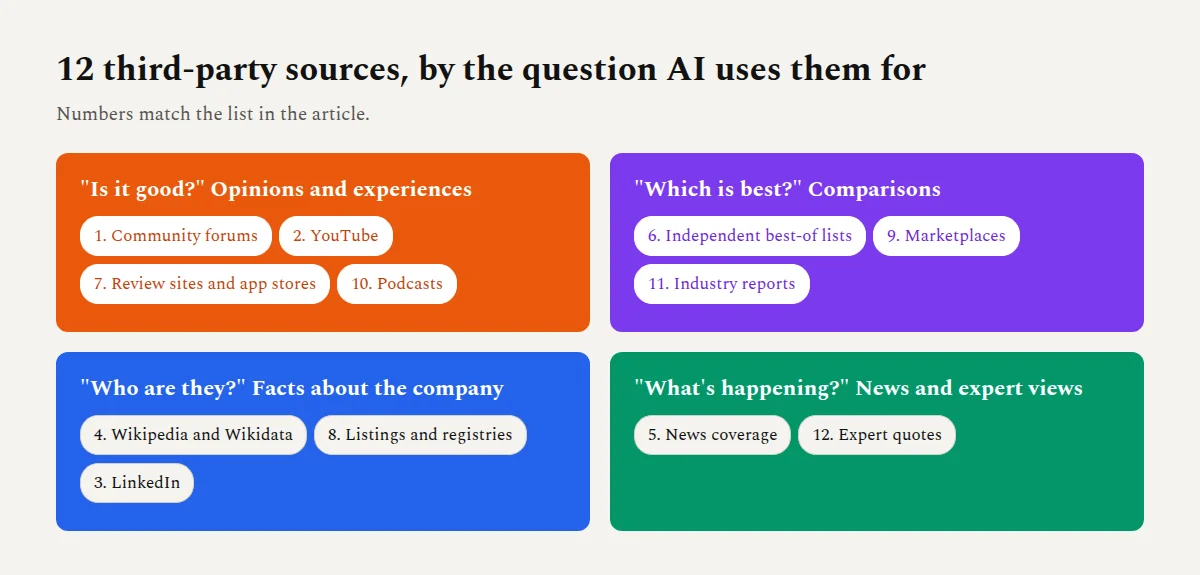
Below are the 12 third-party sources I’d prioritise, what the research says about each, and how to earn a place on each without gaming it.
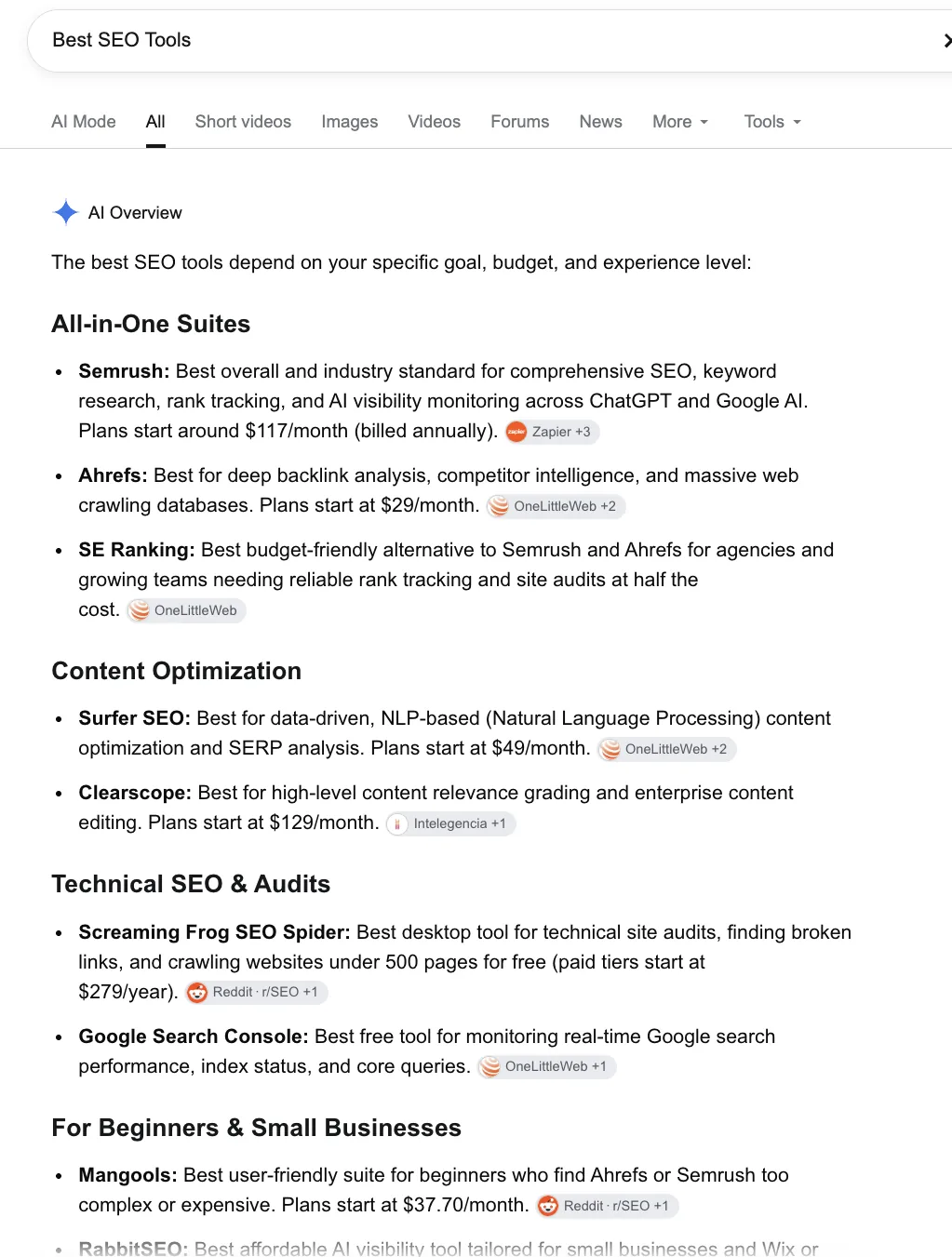
Quick answer: Third-party sources are pages about your brand that you don’t publish: forums like Reddit, YouTube videos, LinkedIn posts, Wikipedia, news coverage, independent “best of” lists, review platforms, business listings, marketplaces, podcasts, industry reports and expert roundups. AI assistants rely on them for opinions and recommendations, so being present and consistent across them matters more than any single page on your own site.
What the research says about third-party sources
Three findings shape everything in this guide.
- A handful of platforms dominate. Peec AI analysed 30 million sources cited by ChatGPT, Google AI Mode, Gemini, Perplexity and AI Overviews. Reddit ranked first, followed by YouTube, LinkedIn, Wikipedia and Forbes. Review platforms such as Yelp and G2 appeared often on recommendation questions.
- Each engine has favourites. In the same study, ChatGPT leaned on Wikipedia, Reddit and editorial sites like Forbes, while Perplexity leaned on Reddit, LinkedIn and G2 for business questions. Profound’s earlier analysis found Wikipedia was ChatGPT’s most-cited source.
- The engines don’t agree much. Agenzy’s 2026 study of 2.28 million citations found that ChatGPT, Google AI Overviews and Perplexity typically share only two of their top 10 cited domains. A plan built for one engine won’t cover the others.
My view
Don’t chase one platform. Studies rank Reddit, YouTube and Wikipedia differently depending on the engine, the month and the method. What holds across all of them is that AI trusts brands that many independent sources describe in the same way. Breadth and consistency beat any single placement.
The 12 third-party sources
1. Community forums: Reddit, Quora and Nairaland
What AI uses it for: real user opinions, comparisons and “what do people think of X” questions.
Reddit is the most-cited domain in several large studies, including Peec AI’s, and a Semrush study found Quora was the most-cited source in Google’s AI Overviews in mid-2025. Regional forums matter too: in Nigeria, Nairaland has hosted public discussions about brands, banks and apps for years, and those threads are exactly the kind of local, first-hand opinion AI looks for when someone asks about a product in that market.
You can’t buy your way into these conversations, and you shouldn’t try. What works is being useful where your customers already talk: answering questions as a named team member, fixing complaints in public and letting satisfied customers speak for you. Search each forum for your brand name every month, and treat unanswered questions as content ideas for your help centre.
2. YouTube
What AI uses it for: tutorials, reviews, demos and “how does it work” questions.
YouTube ranked second in Peec AI’s study, and AI reads video transcripts, titles and descriptions. Publish product walkthroughs and how-to videos on your own channel, and work with independent reviewers in your niche. Add accurate captions and a clear description to every video, because that text is what gets read.
3. LinkedIn
What AI uses it for: company facts, leadership, expertise and professional opinions.
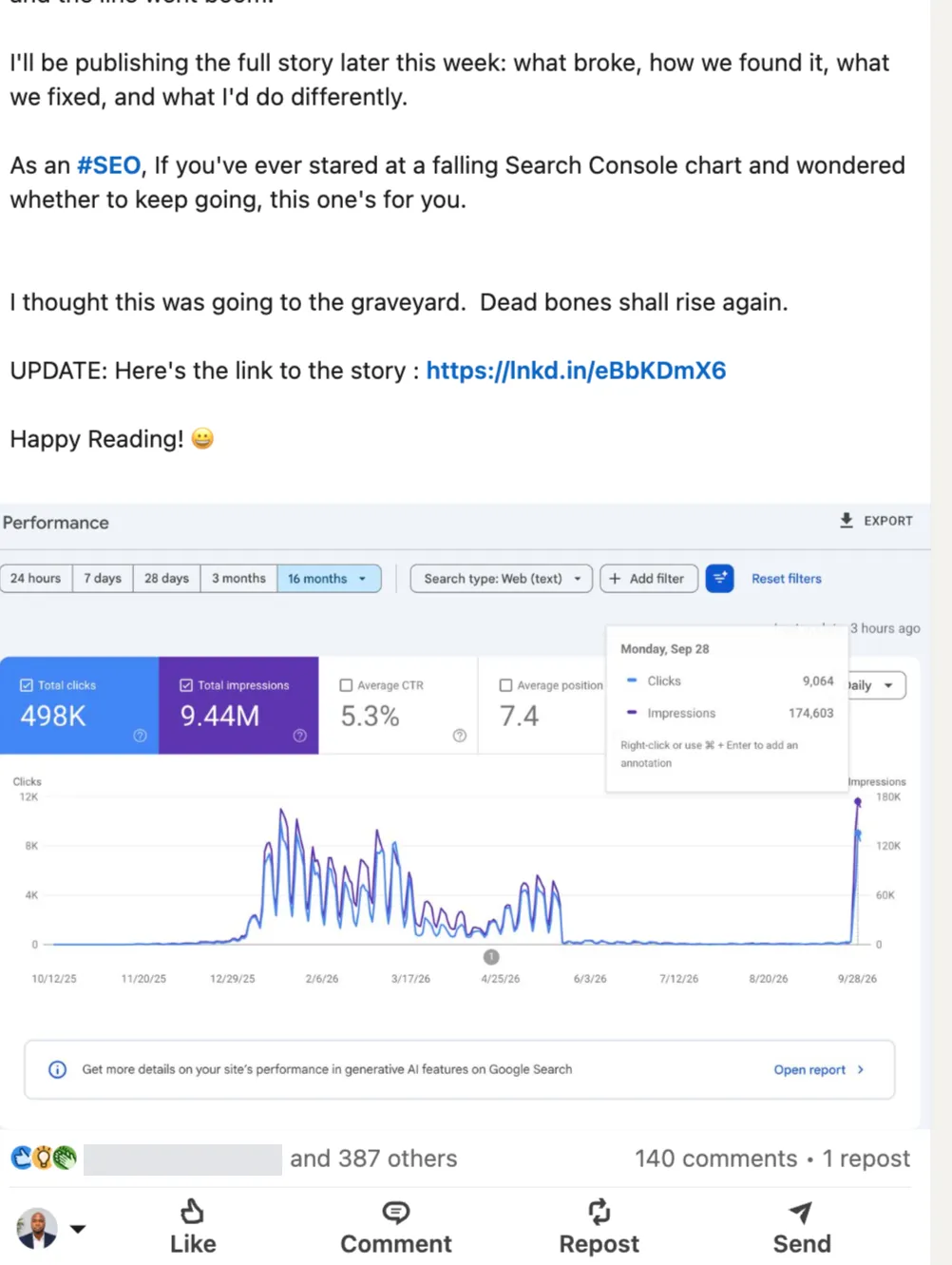
LinkedIn was third in Peec AI’s study, and Perplexity leaned on it for business questions. That means founders’ and employees’ posts, articles and company page updates are now part of your AI footprint. I’ve seen this myself: when I wrote on LinkedIn about a core update recovery, the post drew 388 reactions and 140 comments. That is a public, searchable conversation about the work, written mostly by other people.
4. Wikipedia and Wikidata
What AI uses it for: who a company is, when it was founded, who runs it and what it does.
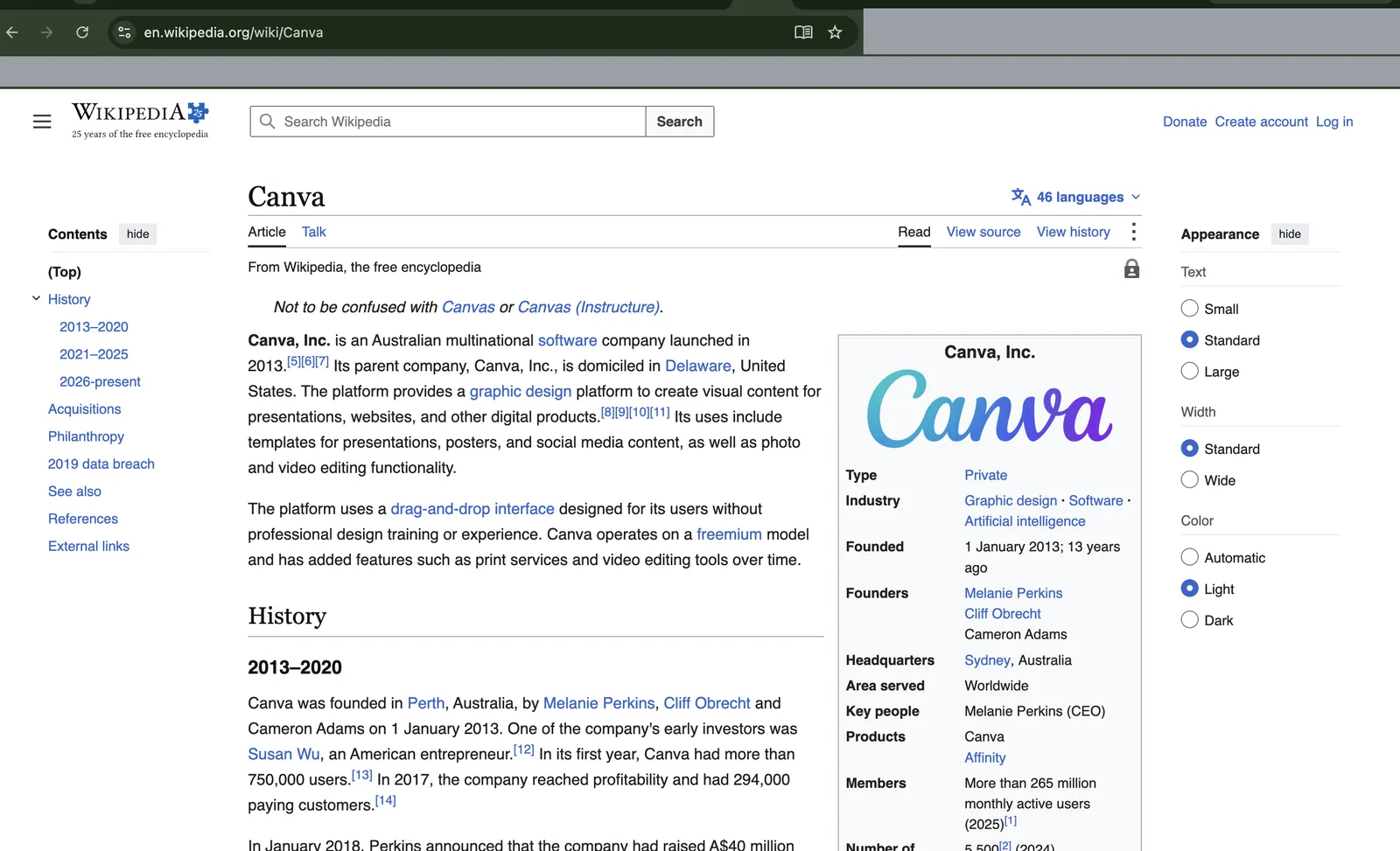
Wikipedia is ChatGPT’s most-cited source in Profound’s data, and Wikidata feeds many knowledge graphs. Be careful here: Wikipedia’s conflict of interest rules discourage you from writing or editing your own page. Earn notability through independent coverage first, keep your Wikidata facts accurate, and suggest corrections on the article’s talk page rather than editing directly.
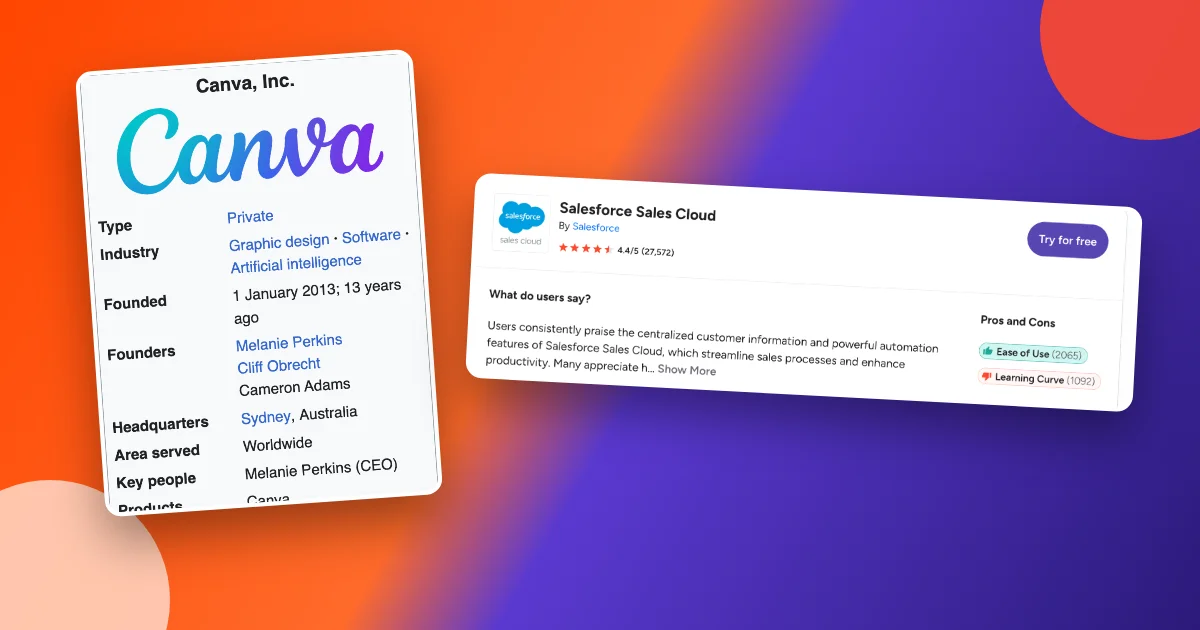
Canva’s page shows what AI gets from Wikipedia in seconds: founders, founding date, headquarters, key people and user numbers, all in the infobox. It also opens with a note that Canva is not to be confused with Canvas, a different product. That one line helps search engines and AI separate two similar brand names.
5. News coverage
What AI uses it for: what is happening in an industry, launches, funding and company news.
Journalism made up about 27% of the links AI cited in Muck Rack’s study, and it dominates when people ask what is happening in an industry. Data-led stories, expert commentary and real product news earn coverage. I cover how to make that coverage count for search as well in my guide to PR and SEO.
6. Independent “best of” lists and comparison articles
What AI uses it for: “what’s the best X” and “X vs Y” questions.
Ahrefs found recently updated “best X” lists were the most prominent page type in ChatGPT’s sources. The lists that matter most are on independent publishers, not your own blog. Getting included means having a product worth including, a clear one-line description of who you are best for, and making it easy for writers to test you. I explain why your own self-ranking list rarely wins the recommendation in my piece on self-promotional listicles.
7. Review sites and app stores
What AI uses it for: “is it good”, “is it legit” and pros and cons.
Peec AI found G2 and Yelp appearing often in recommendation answers, and Yext found that branded and subjective questions lean more on listings and reviews. The sites that matter depend on what you sell:
| Review site | Most important for |
|---|---|
| Trustpilot | Consumer services, e-commerce, fintech |
| Google Play and the Apple App Store | Any mobile app |
| G2 and Capterra | Business software |
| Google reviews and Yelp | Local businesses |
| Tripadvisor | Travel and hospitality |
Three things matter on every platform: your average rating, how many recent reviews you have, and how you reply. A low rating with no replies tells AI and readers the same story. Ask happy customers for reviews at the right moment, such as after a successful order or a resolved support ticket, and reply to every negative review with a fix or a link to the help article that solves it. I showed what happens when nobody owns this in my guide to help centre articles.
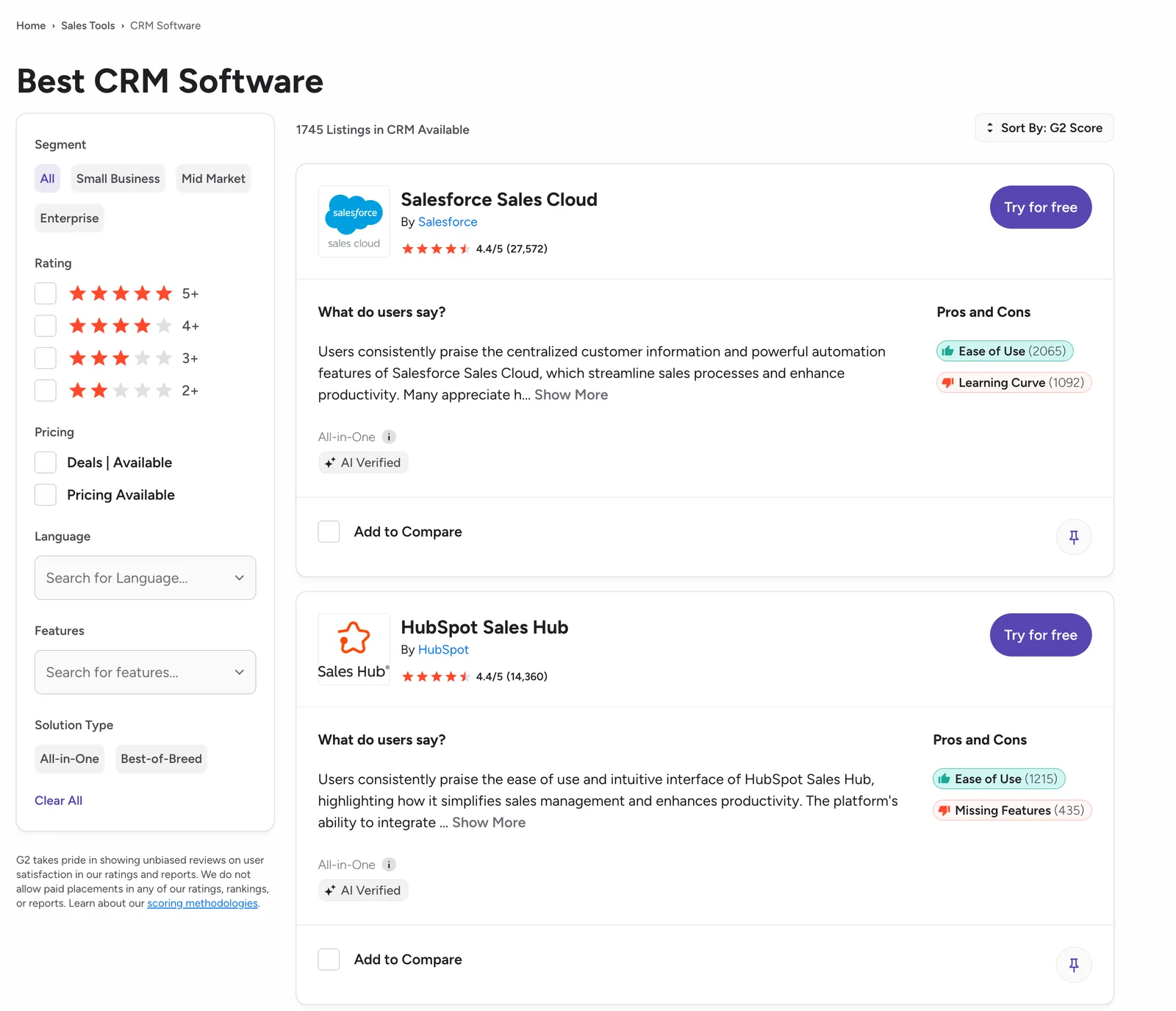
G2’s CRM category is a good picture of what AI sees. It lists more than 1,700 products, sorted by G2 Score, with star ratings, review counts, a summary of what users say and the most-mentioned pros and cons. Salesforce Sales Cloud sits at 4.4 out of 5 from more than 27,000 reviews. G2 also states that it doesn’t allow paid placements in its ratings, which is part of why AI trusts it.
8. Business listings and registries
What AI uses it for: where you are, whether you’re open, who owns you and whether you’re real.
Google Business Profile, Apple Business Connect, Bing Places, Crunchbase and official company registries all describe your business. Yext’s study of 6.8 million citations found listings carried real weight, especially for local questions. Keep every listing complete and identical: same name, address, description, founding date and category everywhere.
9. Partner and integration marketplaces
What AI uses it for: “does X work with Y” questions.
App marketplaces such as the Shopify App Store, the Zapier app directory and the HubSpot marketplace describe what your product connects to, often with reviews. A complete listing with a plain description, screenshots and accurate feature lists answers integration questions on a trusted domain you don’t control. This is my own recommendation rather than a finding from the studies above, so test it in your category.
10. Podcasts and webinars
What AI uses it for: expert opinions and deeper explanations.
More podcasts now publish full transcripts and show notes, and many are also uploaded to YouTube, which AI reads heavily. A founder or expert interview puts your thinking into someone else’s channel, in your own words. Ask hosts to publish a transcript and to link to the specific page you discussed, not just your homepage.
11. Industry reports and analyst coverage
What AI uses it for: market sizes, category definitions and “who are the leaders in X” questions.
Analyst reports, trade association research and industry surveys define categories and name the companies in them. Even when the full report is paywalled, the press coverage and summaries are often public. Brief analysts on your product, contribute data to industry surveys, and make sure you are described in the category you want to own.
12. Expert quotes and roundups
What AI uses it for: expert opinion inside articles on other topics.
Journalists and writers collect expert quotes through request platforms and direct outreach. A useful, specific quote with your name and company puts your brand inside articles you could never write yourself. Answer only where you have real expertise, keep quotes short and quotable, and link your quote back to a relevant page.
How to find your gaps
- Ask the buying questions. Run “best [category] for [audience]” and “[your brand] vs [competitor]” in ChatGPT, Perplexity, Google AI Mode and Gemini.
- Log every third-party source cited. Note the domain and type: forum, video, review site, news, list.
- Check whether you appear on each one. If a competitor is on a source and you aren’t, that is a gap.
- Check what they say about you. Wrong facts on a third-party page get repeated, so correct them at the source.
- Plan by engine. Because the engines cite different domains, prioritise the sources behind the engine your customers use most.
My AI visibility audit template has an evidence log for exactly this, and the “top third-party source cited” column in the brand question map from my first-party sources guide shows which sites are answering for you.
What not to do
- Don’t fake it. Paid reviews, sock-puppet Reddit accounts and undisclosed sponsored posts break platform rules, and in many countries consumer law too. When they are found, they damage the trust you were trying to build.
- Don’t edit your own Wikipedia page. Use the talk page and independent sources.
- Don’t chase volume over consistency. Twenty listings with different descriptions confuse AI more than five accurate ones.
- Don’t forget the facts. Third parties win the recommendation, but they copy facts from you. Keep your first-party pages current so they copy the right ones.
“Your website tells AI who you are. Everyone else tells AI whether to recommend you.”
Afeez Adebayo
Earning third-party coverage is the part of AI search most brands underinvest in. If you want help working out where you’re missing, get in touch.